Dell Landing Page Design System —
enabling 6,000 pages at global scale.
Dell's global marketing teams couldn't publish a landing page without filing an IT request. I built the design system that changed that — giving non-technical authors the tools to create compliant, on-brand pages independently, across multiple Dell brands and global markets.
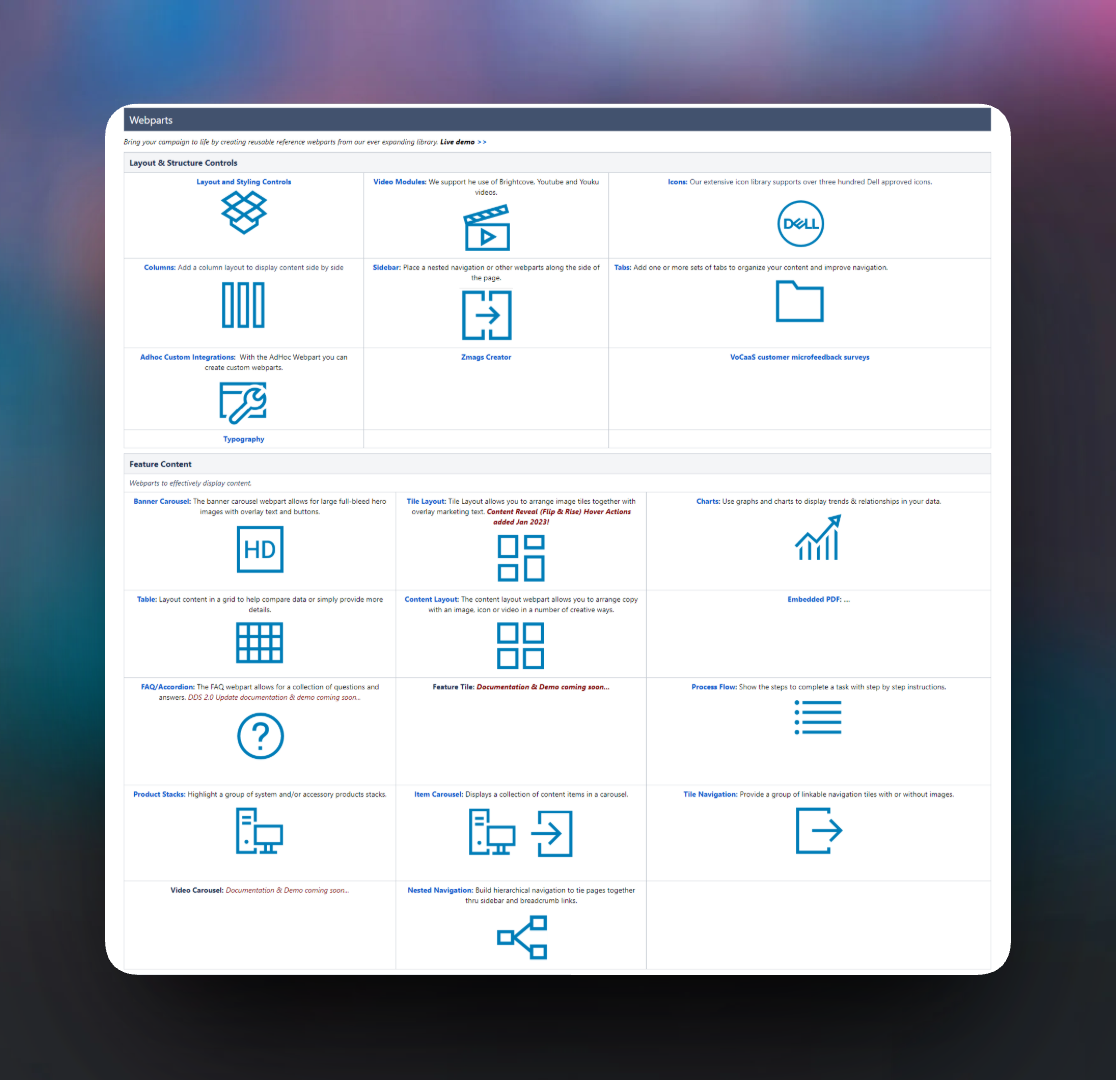
The Problem
Marketing teams were filing IT tickets just to update a headline.
Dell's global marketing organization used AEM for landing pages — a system that required IT involvement for anything beyond basic content edits. Pages were slow to ship, inconsistent between markets, and dependent on engineering bandwidth that was always oversubscribed.
The ask was a design system that gave marketing authors real autonomy — the ability to build and publish pages that were on-brand, accessible, and consistent, without involving IT. The system had to work for a wide range of author types, from regional marketing coordinators to developers building custom implementations.
How I Approached It
Start with the author, not the component.
I mapped the four author personas before designing a single component — understanding what each person was trying to accomplish, their technical comfort level, and where the current system was creating friction. The component designs followed from those needs.
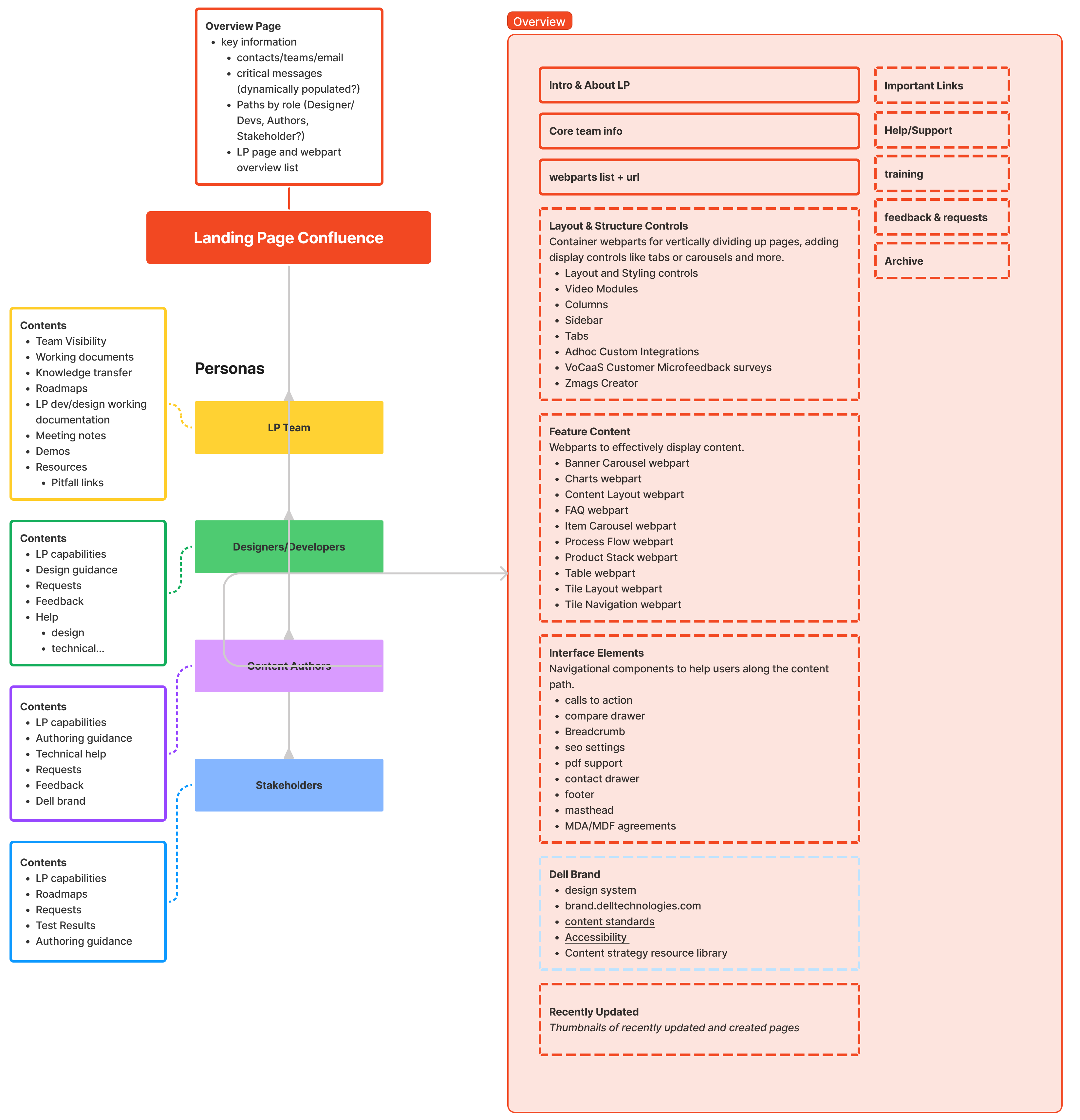
Developer, marketing manager, regional coordinator, content editor — each with different goals, vocabulary, and comfort with technical complexity.
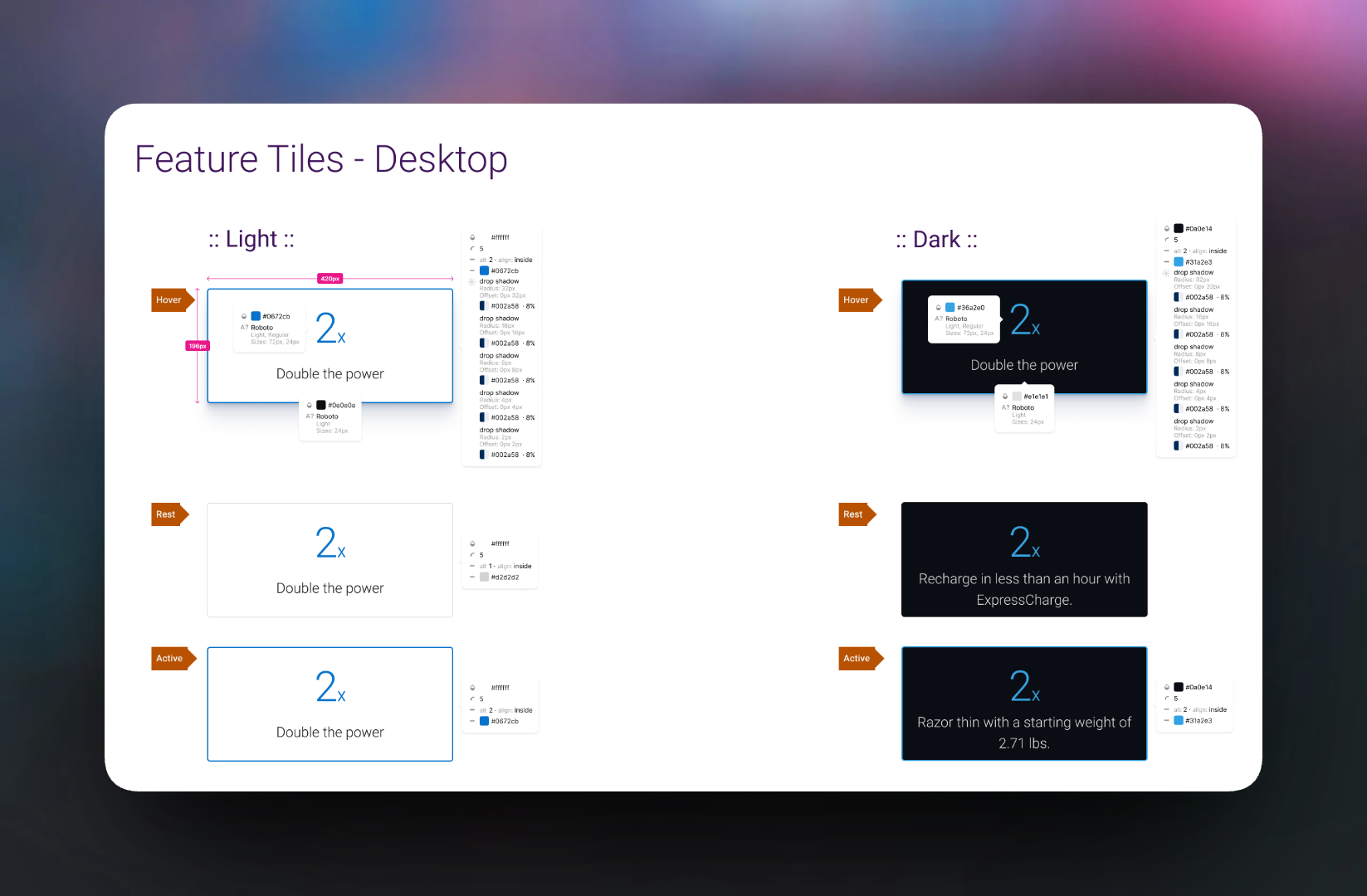
Page builder interface for the least technical user. Configuration options surface progressively. The least technical author can publish without ever seeing advanced settings.
Components were built on atomic design principles, with Storybook as the developer-facing documentation layer. Accessibility was baked in from the start — authors couldn't accidentally produce inaccessible pages even without knowing what WCAG was.
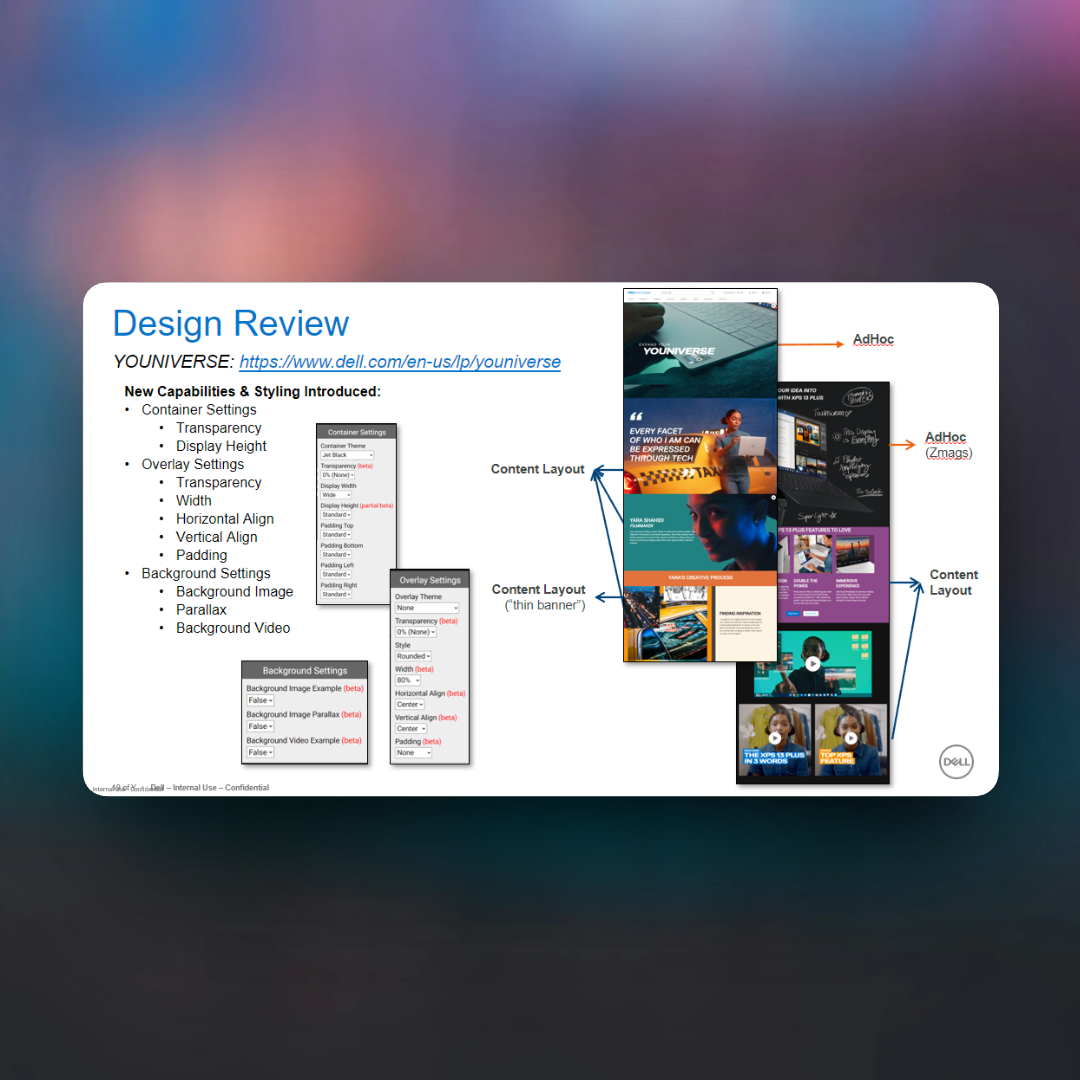
Separate documentation paths for each persona — technical reference for developers, task-based guides for coordinators.
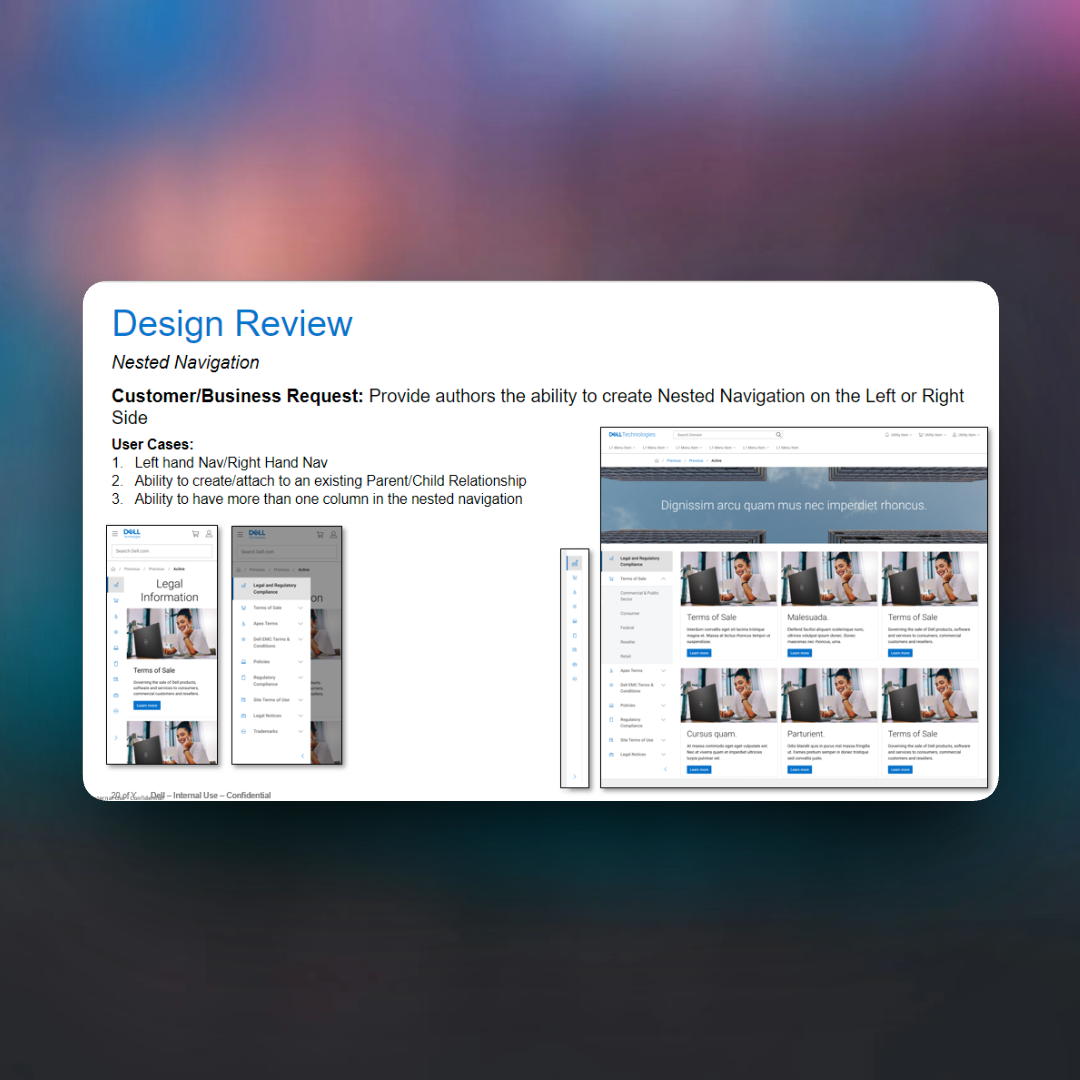
Components built from tokens, assembled into patterns. Consistency is structural, not enforced.
Key Decisions
Three architectural choices that made the system scale.
What I Took From This
What building for four different users taught me about systems.
The author experience is the product. A design system is only as good as the experience of using it. If authors need help every time, the system hasn't solved the problem it was built to solve.
Accessibility scales when it's structural. Building it in from the start is a one-time investment that compounds across every page the system produces.
Documentation is a design surface. Writing for four different personas taught me as much about the system's actual complexity as designing the components did.