Available — Lead, Staff & Principal roles

I design clarity into complex systems.

Lead UX Designer with 12+ years working where design quality directly affects outcomes — enterprise cybersecurity, AI-assisted workflows, and data-dense platforms that can't afford to be confusing.

12+
Years in enterprise UX
30–50%
Faster demo comprehension, Tidal Cyber
130%
Engagement lift, Dell YOUNIVERSE
95%
Client retention, Kamala Created
Selected Work All projects →
Cybersecurity · End-to-end redesign · Tidal Cyber
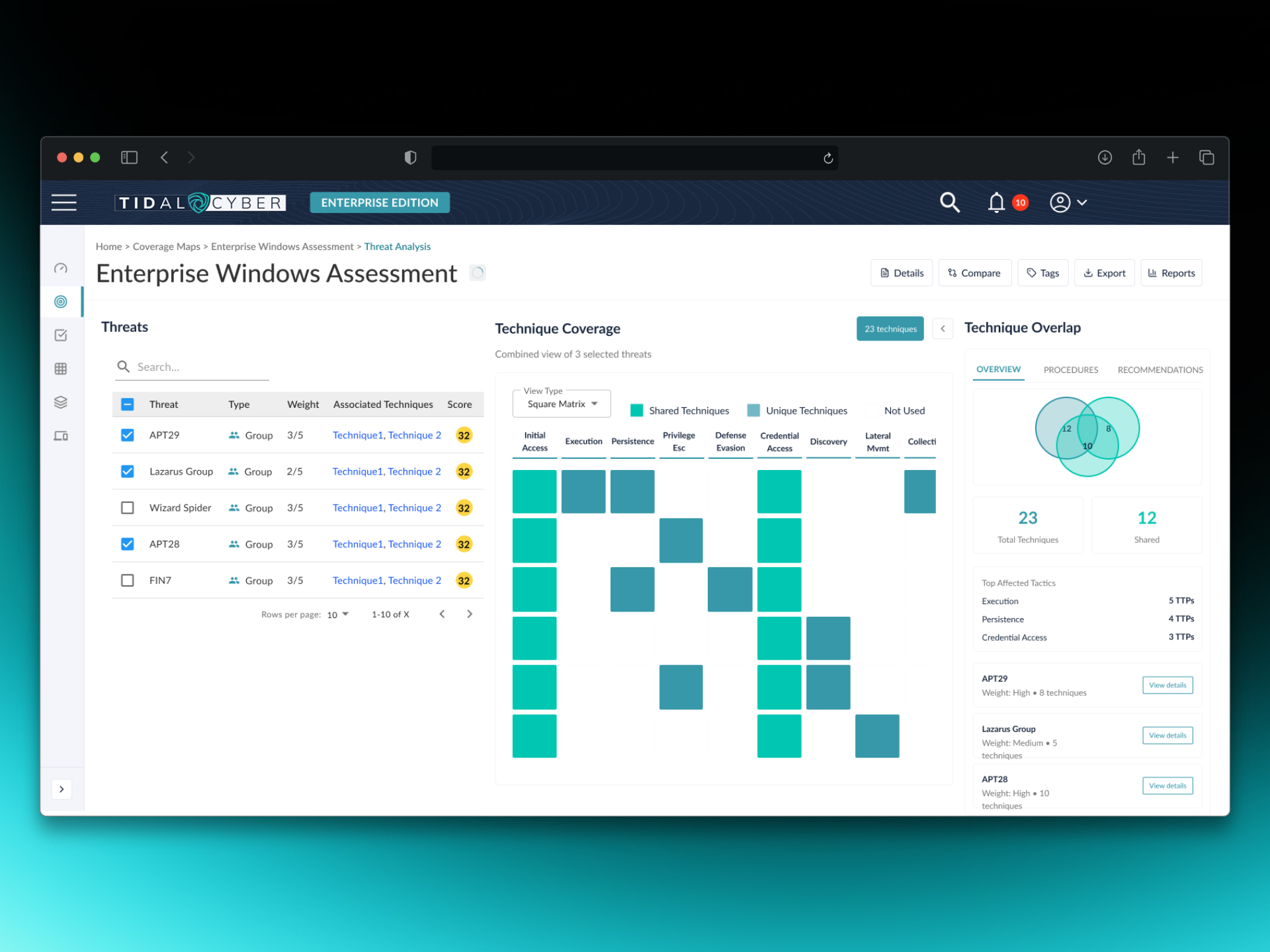
From Coverage Data to Coverage Insight

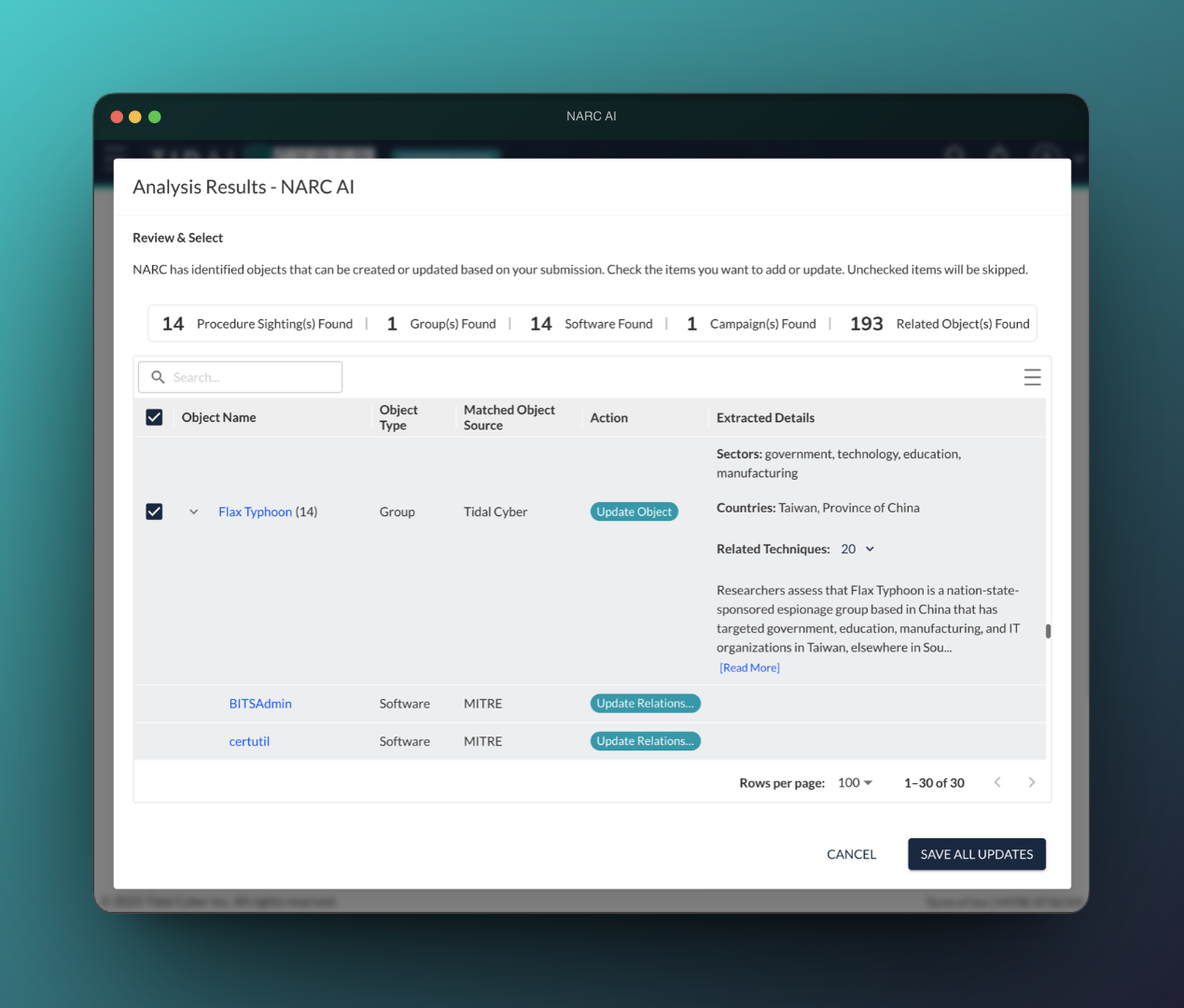
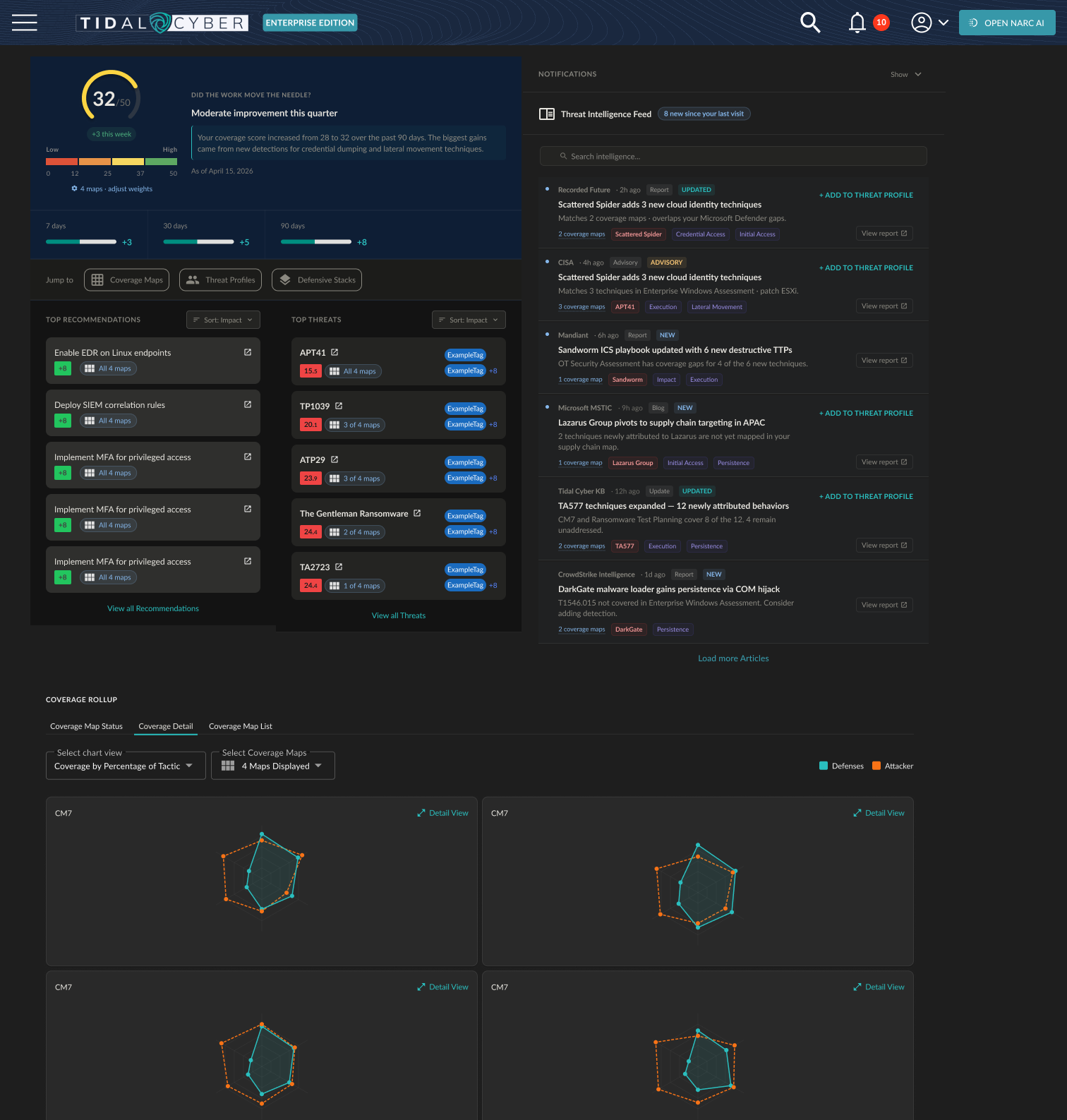
Redesigned a revenue-critical ATT&CK coverage surface — Euler-style relationships, threat-based filtering, progressive disclosure for executives and analysts. The feature that needed the most explaining, made self-evident.

Password: available on resume or upon request
30–50% faster comprehension
in demo contexts — per sales and customer feedback
Read case study →
Process
Design that holds up under scrutiny

"I'm often brought into the high-stakes or undefined areas where UX judgment, clarity, and collaboration matter most."

See how I work →
01Understand the system before shaping the interface
02Clarify mental models before adding features
03Weigh tradeoffs — don't chase idealized solutions
04Design for real-world use, not just internal alignment
05Document decisions so the team can build and evolve with confidence
Design philosophy
"Clarity isn't a feature —
it's a responsibility."
Kamala Espig  ·  Lead UX Designer
Clarity is not a feature It's a responsibility Enterprise UX AI-Assisted Workflows Systems Thinking Clarity is not a feature It's a responsibility Enterprise UX AI-Assisted Workflows Systems Thinking

How I think
before I design.

I don't open Figma first. I start with the system, the users, and the cost of getting it wrong.

01
01
Understand before designing

Learn the system, the users, and the cost of failure before touching a design tool.

02
02
Simplify the mental model

The right answer is usually less — a clearer structure, a smarter default, less to explain.

03
03
Surface the tradeoffs

Name risks and competing priorities early, before they become expensive downstream problems.

04
04
Design for real conditions

Enterprise users are busy, expert, under pressure. Design for that — not the ideal case.

These are patterns, not a process. How I Work goes deeper — real examples from real projects, the tradeoffs I made, and how my thinking has evolved over 12 years.

Full approach →